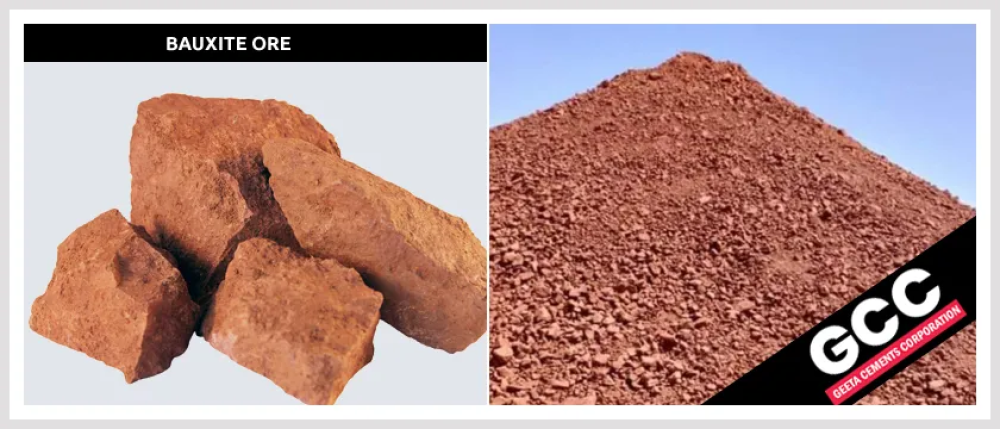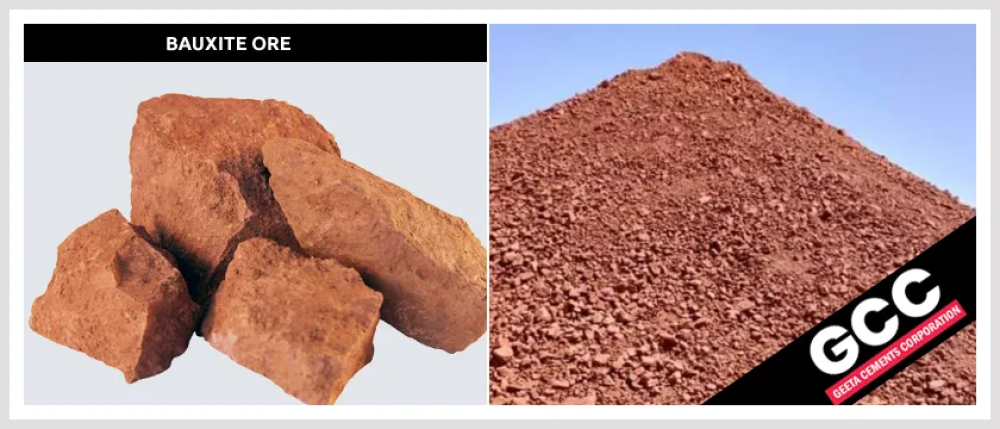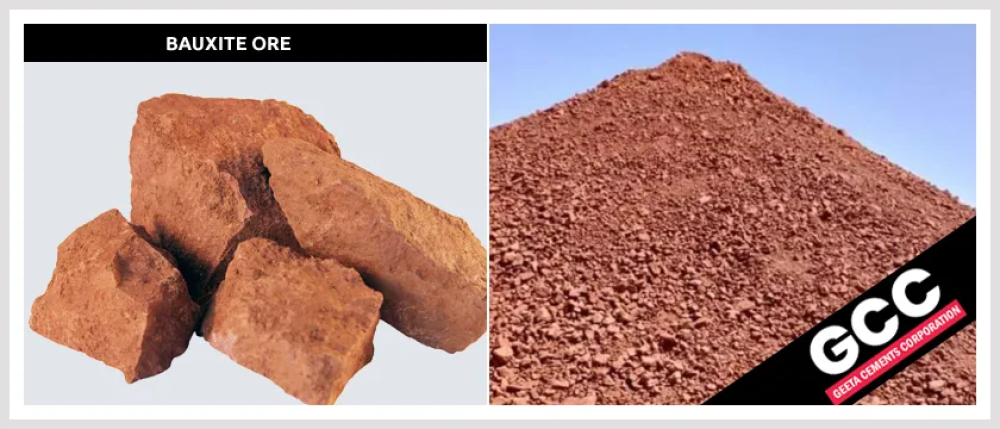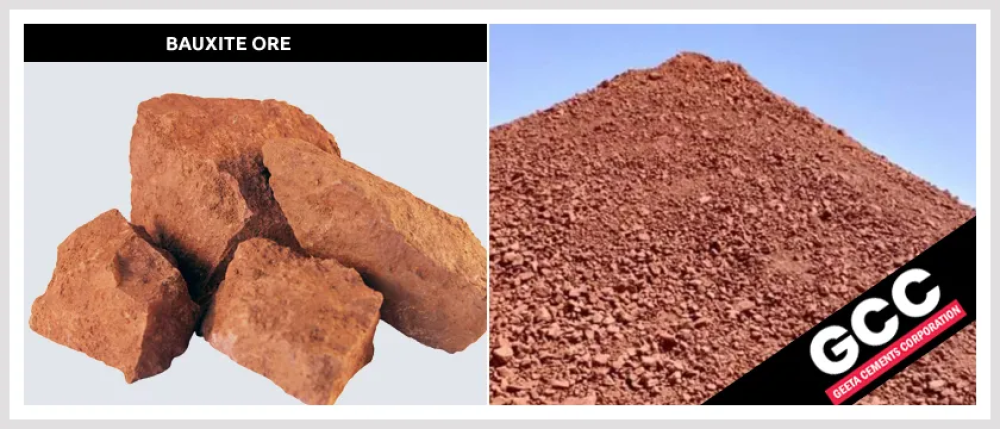
Bauxite Ore Supplier in West Bengal For Wholesale Bulk Rates
What decides a wholesale bauxite rate in 2026, how Bengal buyers can read a quotation line by line, and how bulk loads reach West Bengal from the Chhattisgarh mining belt.
Every buyer who goes looking for a bauxite ore supplier in West Bengal ends up asking the same question: what is the wholesale bulk rate? The honest answer is that no single rate exists, because the price of bauxite moves with grade, quantity, distance and delivery terms. Geeta Cements Corporation, a Bhilai-based procurement and supply company, buys bauxite directly from verified mine and quarry partners and supplies industrial buyers across India. This guide explains what actually builds a wholesale rate, how to compare quotations fairly, which grades suit which Bengal industries, and how bulk loads travel from Chhattisgarh to your gate.
What Does "Wholesale Bulk Rate" Really Mean?
A wholesale rate is not a discount label. It is the price a supplier can offer when an order is large, planned and repeatable, because that lets the supplier schedule sourcing, loading and transport efficiently. A single truck ordered on short notice is priced differently from a monthly commitment of several trucks or a full rake, even when the ore is identical.
Three things legitimately lower the cost per tonne: predictable monthly volume, full-load dispatch, and a specification with a sensible tolerance band instead of an unnecessarily tight one. Three things only appear to lower it: a vague grade, an ex-mine rate that hides freight, and mixed lots. Those raise your real cost later through rejection, extra testing and lost production.
How a Bauxite Rate Is Built
|
Component |
What it covers |
What moves it |
|
Ore at source |
Mining or quarry cost, royalty and statutory levies where applicable |
Grade, deposit and season |
|
Sizing and loading |
Crushing to size and loading at the source |
Size specification, loading method |
|
Freight |
Rail or road movement to Bengal |
Distance, mode, load size, fuel |
|
Handling and transit loss |
Unloading and shortage allowance |
Weather, distance, how the load is covered |
|
Testing and documents |
Sampling, analysis, invoice, e-way bill |
Frequency of testing |
|
Taxes |
GST as applicable |
Prevailing rules |
|
Supplier margin |
Cost of managing sourcing and dispatch |
Volume and the length of the relationship |
Ask every supplier to show these blocks. A quotation that bundles everything into one number is hard to compare, and it hides where a competitor's "lower" price has quietly dropped something.
Grade Decides the Rate: A Quick Reference
Higher alumina and lower impurities usually cost more, so the most common way to overpay is to buy a grade your process does not need. These ranges are indicative; confirm them against your own laboratory limits.
|
Use |
Alumina focus |
Limits that matter |
Typical Bengal buyer |
|
Cement alumina corrector |
Moderate and steady |
Silica within raw mix limits |
Cement and clinker units |
|
Alum and chemical use |
Around 45 to 55 percent |
Low iron |
Chemical units around Howrah and Kolkata |
|
Refractory feed, before calcination |
High, often 55 percent and above |
Low silica, low iron |
Refractory and steel units in the Durgapur and Asansol belt |
If your plant only needs a stable alumina corrector, paying for refractory-grade ore wastes money. If your lining life depends on low silica, saving on grade costs more than it saves.
Where Bulk Bauxite Goes in West Bengal
West Bengal has no significant bauxite mining of its own, so every tonne is brought in. Demand sits in clusters. The Durgapur and Asansol belt pulls bauxite for steel and refractory work. Howrah and Kolkata draw it for chemical, alum and foundry use. Cement and clinker units in the west of the state use it as a corrector, and industrial users near Kolkata and Haldia depend on smooth road and rail access.
Each cluster wants something different, so a bauxite ore supplier in West Bengal that quotes one rate for all of them is simplifying more than it should. A supplier worth considering asks what you make before it names a price.
From Bhilai to Bengal: How Bulk Loads Travel
Bhilai sits on the main Howrah to Mumbai rail corridor, which makes eastward movement toward Kolkata and Howrah a natural route for rake loads. Rail suits large, regular volumes and usually lowers the cost per tonne, but it needs a siding or a nearby handling terminal and some lead time for rake planning. Road suits smaller or urgent loads and gives door delivery, at a higher cost per tonne, using national highways through Odisha.
Plan for three Bengal-specific factors. Monsoon rain and humidity raise ore moisture, so covered transport and covered storage protect the weight you pay for. Timing restrictions on heavy vehicles around Kolkata and Howrah can delay unloading, so agree delivery windows that respect them. And city-side or port-side yards often have limited space, so confirm unloading arrangements before the vehicle leaves.
Whichever route you choose, a dependable bauxite ore supplier in West Bengal states the mode and the expected transit time in the quotation, not after the order.
How to Ask for a Wholesale Quote That Gets a Real Answer
A quotation is only as good as the enquiry behind it. Send these details together:
- Your application, for example refractory feed, alum production or cement correction.
- Minimum alumina and maximum silica and iron you can accept.
- Size range, and whether you need lump or crushed ore.
- Monthly quantity, and whether demand is steady or seasonal.
- Delivery location, unloading facilities and weighbridge availability.
- Preferred mode, rail or road, and any delivery timing restrictions.
- Testing method and the laboratory you trust.
- Payment terms you prefer.
An enquiry like this gets a specific, comparable answer. A one-line message asking for "your best rate" gets a generic one.
Five Habits That Inflate the Real Rate
- Comparing ex-source rates. Freight and handling can outweigh a small difference in the ore price.
- Skipping the trial lot. A first bulk order without a test is a gamble with your plant's chemistry.
- Accepting one test report for the whole contract. Insist on analysis for each lot.
- Ignoring moisture. Every extra percentage point is freight paid on water.
- Leaving paperwork to chance. A load held on the road for missing transit papers costs more than any discount.
Why Buyers Verify Geeta Cements Corporation Before Ordering
Geeta Cements Corporation is an industrial procurement and supply company headquartered at 97/2, Maitri Nagar, Risali, Bhilai, Chhattisgarh. It buys directly from verified mine and quarry partners, which keeps the chain between source and buyer short, and it manages bulk dispatch to customers in India, Nepal and Bhutan. Its range covers bauxite ore, laterite ore, limestone, clinker and other industrial minerals for cement, steel, refractory, chemical and construction customers.
Do not take that on trust. Here is how to check any supplier, this one included:
- Call or visit the Bhilai office and speak to the people who manage dispatch.
- Ask for sample documents from a previous dispatch.
- Ask for the source region and lot numbers of the ore.
- Order a trial lot and test it at your own laboratory.
- Compare delivered quotations, not ex-source ones.
Be clear about the limits too. As a bauxite ore supplier in West Bengal, Geeta Cements Corporation sells raw ore. It is not a mine owner and does not supply calcined or processed bauxite, so a buyer who needs calcined grades should approach a processor
Frequently Asked Questions
1. What is a mix corrector in cement manufacturing?
It is a small addition to the raw mix that supplies iron, alumina or silica when limestone and clay leave a gap, so the mix hits its target moduli.
2. Why use laterite instead of separate iron ore and bauxite?
Laterite carries iron and alumina together, so one material can do the work of two. Use it when both are short.
3. Can laterite replace bauxite completely?
Not always. If your mix needs a strong alumina boost with little iron, bauxite fits better. Run the raw mix calculation to decide.
4. What Fe2O3 and Al2O3 should I ask for?
That depends on your raw mix and target moduli. Give your chemist's limits and a tolerance band, and ask for a lot-wise analysis.
5. Do grinding units need laterite?
No. Units that buy clinker do not run a raw mix, so they have no use for a corrector.
6. How do I know lots will stay consistent?
Ask for the source of each lot, an analysis report for every consignment and a maximum permitted swing between lots.
7. Why does wet laterite cause problems?
Clay-rich laterite turns sticky and blocks hoppers and chutes. Set a moisture limit, cover your stock and use suitable feeders.
8. How is laterite delivered to Uttar Pradesh?
By rail for steady volumes and by road for smaller lots, depending on volume and destination. Ask for the mode and transit time in the quotation.
9. Can I order a trial lot?
Yes. Test it in your raw mix calculation and in the plant before moving to monthly volumes.
10. How do I get a quotation?
Buyers seeking a laterite ore supplier in Uttar Pradesh can send their iron and alumina limits, size range, monthly quantity and delivery location through the enquiry form below.
Closing Note
A corrector is cheap compared with the cost of a drifting kiln, so buy it against numbers. Choose the laterite ore supplier in Uttar Pradesh that commits to analysis for every lot, explains where the ore comes from and accepts a trial lot first, then test against your own raw mix before you scale up.
Contact Geeta Cements Corporation
Address: 97/2, Maitri Nagar, Risali, Bhilai, Chhattisgarh 490006, India Email: geetaminerals63@gmail.com Send an enquiry: https://www.geetacements.com/enquiry.php Website: https://www.geetacements.com/
Related Blogs