Cement Clinker Supplier in West Bengal Bulk Direct Supply
A 2026 buyer's guide to clinker specifications, delivery and the supply mistakes that quietly cost grinding units money.
If you are looking for a cement clinker supplier in West Bengal, you probably know the frustration already. One lot grinds smoothly, the next arrives damp or inconsistent, and your cement strength results start to swing for no obvious reason. Geeta Cements Corporation, a Bhilai-based supplier of clinker and industrial minerals, works with grinding units and cement plants that want steady material from a direct source. In this guide you will learn which specifications to demand, which problems to expect, and how to check a supplier before you commit. We will cover clinker basics, quality parameters, troubleshooting, logistics and a short checklist, followed by answers to the questions buyers ask most often.
What Is Cement Clinker and Why Does Its Quality Decide Your Cement?
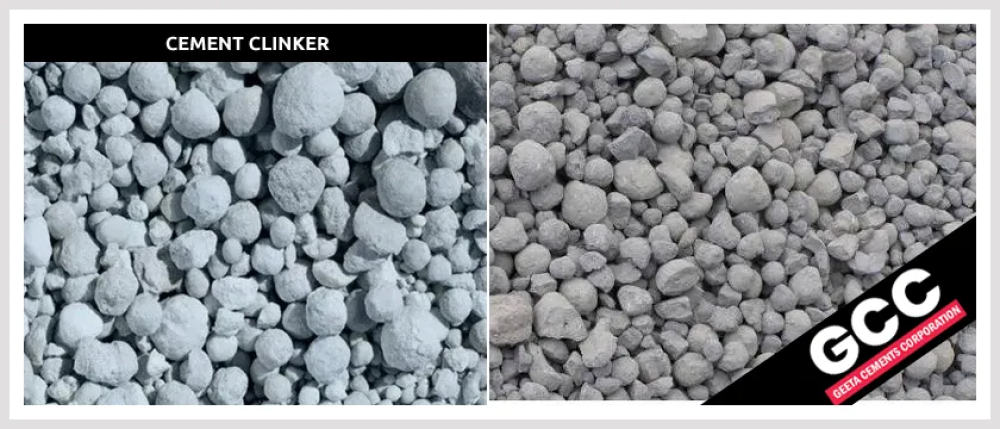
Clinker is the grey, marble-sized nodule produced when limestone and clay-type materials are fired in a kiln at roughly 1,450°C. Grinding it with a small percentage of gypsum gives Portland cement. Because every property of the final cement begins here, any variation in clinker chemistry shows up directly in setting time, strength development and soundness.
For a grinding unit, that means clinker is not a commodity to buy on price alone. A cheaper lot with unstable chemistry can cost far more in mill adjustments, rejected batches and customer complaints than you saved on the rate. The real aim is not the lowest price per tonne of clinker, but the lowest cost per tonne of cement that passes every test your customers apply.
Which Clinker Specifications Should You Ask For?
Plants differ, so always start from your own mix design and product standards. Most buyers ask for the following in writing before the first dispatch:
- Free lime. Lower and stable is better, because high free lime can cause expansion problems in the finished cement.
- Lime saturation factor, silica modulus and alumina modulus. These show whether the clinker was burned and chemically balanced in a consistent way.
- Loss on ignition. A high value points to under-burning or to clinker that has absorbed moisture.
- Nodule size and fines. Excess dust slows handling, raises losses and can disturb mill feed.
- Moisture. Wet clinker clogs hoppers, lowers mill output and reduces the usable weight you pay for.
- Lot-wise analysis. A report for each consignment, not one report quoted for the whole contract.
If a supplier cannot tell you what these numbers usually are for the material they sell, treat that as a warning sign rather than a minor gap.
What Goes Wrong With Clinker Supply and How Do You Fix It?
Most supply problems fall into four patterns, and each has a practical fix.
Chemistry drifts between lots. One consignment performs well and the next does not. Fix it by writing acceptable ranges for free lime and the moduli into the purchase order, along with your right to reject a lot that falls outside them.
Material arrives dusty or damp. Open trucks and monsoon rain are the usual causes. Specify covered transport and a moisture limit, then weigh and sample at your own gate during unloading.
Delivered material does not match the sample. This happens when the sample was taken from a good lot and the dispatch came from another. Agree on sampling at the loading point and keep a retained sample from every consignment, so any dispute is settled by testing rather than argument.
Dispatch delays stop your mill. Ask for a realistic delivery schedule and a fallback plan before you order, not after the first missed date.
If a lot does fail, act in a fixed order. First, stop using it and isolate the stock. Second, send the retained sample for testing. Third, share the result with the supplier in writing, with the lot number. Fourth, settle replacement or price adjustment under the terms you agreed at the start. Having that sequence in the contract saves weeks.
Why Do Bulk Buyers Prefer Direct Sourcing?
Every extra hand between the kiln and your hopper adds margin and a point where quality information gets lost. A supplier who buys from verified plants and manages dispatch directly can tell you where a lot came from and answer quickly when something looks wrong. That traceability is the real benefit of working with a direct cement clinker supplier in West Bengal rather than a chain of intermediaries who have never seen the material.
Direct sourcing also helps with planning. When one party controls purchasing and dispatch, monthly volumes are easier to commit to, and you can agree on a stable specification instead of renegotiating each time.
There is a fair counterpoint. If you need very small quantities, prefer to buy occasionally on the spot market, or want to inspect material at the kiln yourself, a local trader or a source closer to Kolkata may suit you better. Direct bulk supply works best for regular, planned monthly volumes where consistency matters more than flexibility.
How Does Clinker Reach West Bengal and What Should You Plan For?
Material moving from Chhattisgarh to the Kolkata, Howrah, Durgapur and Haldia belts is a long haul. Large volumes usually move by rail rakes, and smaller lots by road. Plan for three things. First, monsoon months, when moisture protection matters most and covered transport is worth paying for. Second, port and road congestion near the Kolkata region, which can stretch transit times unpredictably. Third, responsibility for transit loss and weighment. Confirm in writing who arranges the weighbridge, who bears shortage and how disputes are resolved, so that none of it is argued at the gate.
What Should You Check Before Your First Order?
- Ask for the specification range in writing and compare it with your mix design.
- Request a trial lot before committing to a long contract.
- Agree on sampling, testing method and rejection terms.
- Confirm GST invoicing and e-way bill handling for every dispatch.
- Ask how delays and shortages are communicated, and to whom.
Frequently Asked Questions
What is the minimum order for bulk clinker?
It depends on the mode of transport. Rake loads and truckloads are priced differently, so state your monthly requirement in the enquiry and the quantity can be matched.
Can I get a trial lot first?
Yes, you should ask for one. A trial lot lets you test grindability and strength development before you commit to a longer arrangement.
Does clinker lose quality in storage?
It absorbs moisture over time, which raises loss on ignition and affects grinding. Store it covered and use older stock first.
Who can deliver clinker in West Bengal?
Geeta Cements Corporation supplies across India, including West Bengal, as a cement clinker supplier in West Bengal for grinding units and cement plants.
How do I get a price?
Send your required quantity, delivery location and specification through the enquiry form, and the quotation can be prepared against those details.
Final Word
Choosing a cement clinker supplier in West Bengal is ultimately about trust that you can test: written specifications, lot-wise reports, clear terms on rejection and a source that can explain where the material comes from. Start with a trial lot, measure it against your own standards, and expand only when the numbers hold.
Contact Geeta Cements Corporation
Address: 97/2, Maitri Nagar, Risali, Bhilai, Chhattisgarh 490006, India Email: geetaminerals63@gmail.com Send an enquiry: https://www.geetacements.com/enquiry.php Website: https://www.geetacements.com/