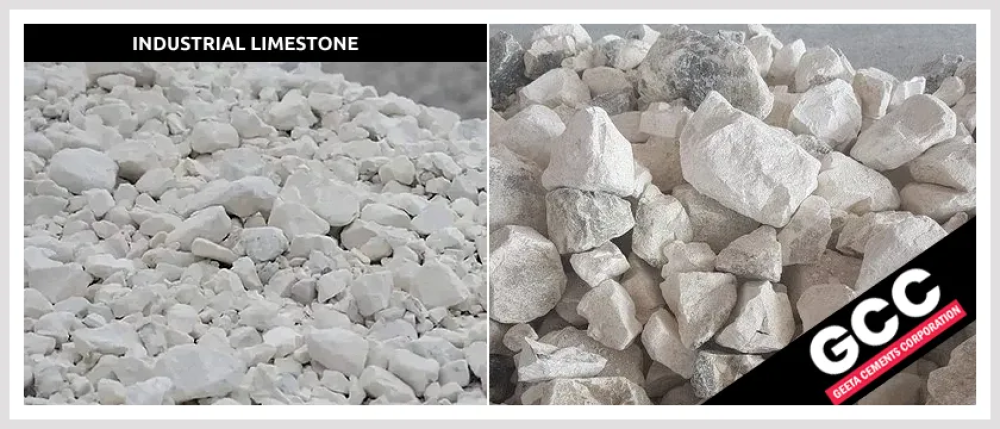
Need an Industrial Limestone Supplier in West Bengal
A 2026 guide to choosing the right limestone for cement, steel, power and chemical use, and avoiding the mistakes that waste money.
Buying limestone sounds simple until the first lot fails your plant's test. If you need an industrial limestone supplier in West Bengal, the right answer depends entirely on what you will use the stone for. Geeta Cements Corporation, based in Bhilai, supplies industrial limestone for cement, steel and other industries through direct procurement from verified quarry partners. In this guide you will learn which grade each industry asks for, which problems buyers run into most often, and how to place an order with fewer surprises. We will go through uses, specifications, troubleshooting, delivery and a short checklist, then answer the questions buyers raise most.
What Is Industrial Limestone Used For?
Limestone is mainly calcium carbonate, and its uses span many sectors:
- Cement. The main raw material for making clinker.
- Steel. A flux that helps remove impurities in furnaces.
- Power plants. Ground limestone is used to capture sulphur gases in flue gas treatment.
- Lime and chemicals. Burned to make quicklime or used directly in chemical processes.
- Glass, paper, sugar and water treatment. Each with its own purity requirements.
- Construction. Used as aggregate and fill.
The same stone is not suitable for all of these. A grade that works well in a cement raw mix can fail a steel flux requirement, and fine material for flue gas use is a different product from lump stone for a kiln.
Which Grade Fits Which Industry?
|
Use |
What matters most |
Typical concern |
|
Cement |
Calcium content with controlled silica and magnesia |
Raw mix balance |
|
Steel flux |
Low silica, phosphorus and sulphur |
Impurities entering the metal |
|
Flue gas treatment |
High purity and fine, reactive size |
Fineness and reactivity |
|
Lime and chemicals |
Purity and consistent size |
Burning behaviour |
|
Construction |
Strength and size |
Cost per tonne delivered |
Use this as a starting point and replace it with your own plant limits wherever they differ.
Which Limestone Specifications Should You Ask For?
- Calcium carbonate or CaO content. The headline purity figure, and the first number most buyers check.
- Silica. Low silica matters for flux and many chemical uses.
- Magnesia. Too much magnesium changes behaviour in cement and in lime burning.
- Phosphorus and sulphur. Critical for steel flux applications.
- Size. Lump size for kilns and furnaces, fine size for grinding or flue gas use.
- Moisture and dust. They affect handling and the true tonnage you receive.
Always give the supplier your own limits instead of asking for "good limestone," because that phrase means different things in different plants.
What Problems Do Buyers Face and How Are They Solved?
Purity varies from truck to truck. Quarries contain bands of different quality, and a mixed face gives mixed loads. Ask for consignment-wise analysis, and set a minimum purity with the right to reject.
Wrong size arrives. Oversized lumps jam crushers, while too many fines are wasted in furnaces. Write the size range into the order, with an allowed percentage of undersize.
Weight disputes. Moisture and dust change the tonnage you actually receive. Agree on the weighbridge and the method before the first load, not during an argument at the gate.
Late dispatch. Limestone is bulky, so a delay in trucks or rakes can stop a line. Agree on a loading schedule and ask who to contact when a vehicle is delayed.
When a lot fails, keep a retained sample, share the test result with the supplier in writing along with the lot number, and settle replacement or price adjustment under the terms you agreed at the beginning.
Why Does Sourcing Limestone for West Bengal Take Extra Planning?
West Bengal has far fewer high-grade limestone deposits than several neighbouring states, so many industrial users bring material in from outside the state. That makes freight a large part of the final cost, and it makes the reliability of the supplier more important than a small difference in the per-tonne price. A dependable industrial limestone supplier in West Bengal should be able to explain where the stone is quarried, how it is loaded and how long it takes to arrive, not only quote a rate.
A fair counterpoint is worth stating. If you need a small quantity, or your specification is flexible, nearby aggregate or local traders may work out cheaper. Longer-distance direct supply makes more sense when quality consistency matters and volumes are regular.
How Should You Plan Delivery?
Large buyers usually move limestone by rail, and smaller buyers by truck. Check three things before you commit. First, road conditions in the monsoon months, when loaded trucks are delayed and wet stone weighs more. Second, loading and unloading arrangements at your plant, including space for the vehicle and the availability of a weighbridge. Third, whether covered transport is needed to keep dust and moisture down, particularly for fine grades. Fine limestone for flue gas use loses value quickly if it arrives wet or lumpy.
What Affects the Delivered Price of Limestone?
Price per tonne is the sum of several parts, and comparing only the quarry rate hides most of them. The main elements are the quarry rate for the grade you need, crushing or grinding charges for size, loading, freight by road or rail, unloading and any transit loss. Fine, ground grades cost more than lump stone because of the processing involved. Longer distances raise freight, which is why a slightly more expensive stone from a closer source can sometimes win. Ask every supplier to quote on the same basis, delivered to your plant with the same size and purity limits, and compare those figures side by side rather than headline rates.
A Quick Checklist Before You Order
- State your end use and the required purity.
- State the size range you need, and the allowed undersize.
- Ask for lot-wise analysis with every dispatch.
- Agree on weighment and rejection terms in writing.
- Confirm GST invoicing and e-way bill support.
- Start with a trial load before a monthly contract.
Frequently Asked Questions
Which limestone is best for cement?
Cement use needs a high calcium carbonate content with controlled silica and magnesia. Share your raw mix limits so the right grade can be matched.
Can limestone be supplied in different sizes?
Yes. Sizes vary by use, so give your required range in the enquiry, along with whether you need lump or fine material.
Is limestone supplied for steel plants?
Steel use needs low impurities, so state your limits for silica, phosphorus and sulphur before ordering.
Does Geeta Cements Corporation serve West Bengal?
Yes. It supplies across India and acts as an industrial limestone supplier in West Bengal for cement, steel and other industrial users.
How do I get a quotation?
Send your use, grade, size, quantity and delivery point through the enquiry form.
Final Word
The best limestone is not the purest stone on paper but the one that matches your use, arrives in the right size and stays consistent from the first load to the fiftieth. Ask for specifications in writing, test the first lot, and keep records of every consignment. A supplier who welcomes that scrutiny is usually one you can plan around, and that is the standard worth applying when you choose an industrial limestone supplier in West Bengal.
Contact Geeta Cements Corporation
Address: 97/2, Maitri Nagar, Risali, Bhilai, Chhattisgarh 490006, India Email: geetaminerals63@gmail.com Send an enquiry: https://www.geetacements.com/enquiry.php Website: https://www.geetacements.com/