Need a Trusted Laterite Ore Supplier in West Bengal
A 2026 explainer for Bengal plants on why locally dug laterite and industrial-grade laterite ore are not the same thing, and how to buy the right one.
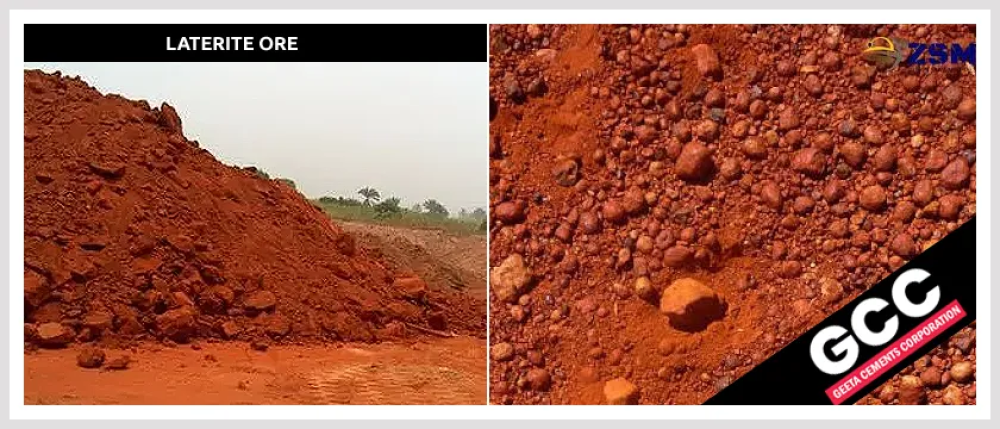
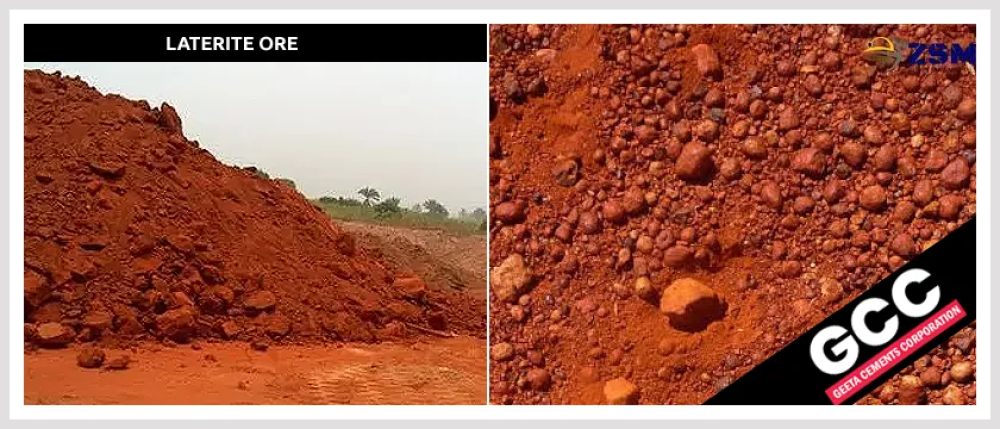
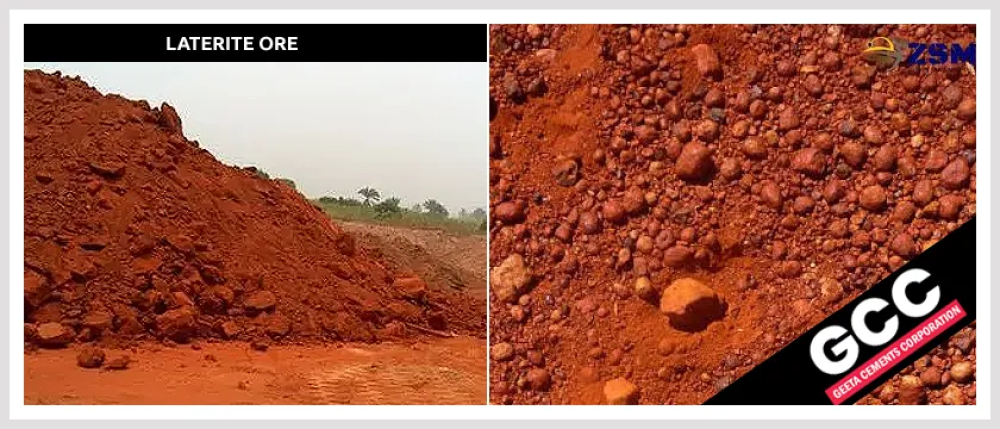
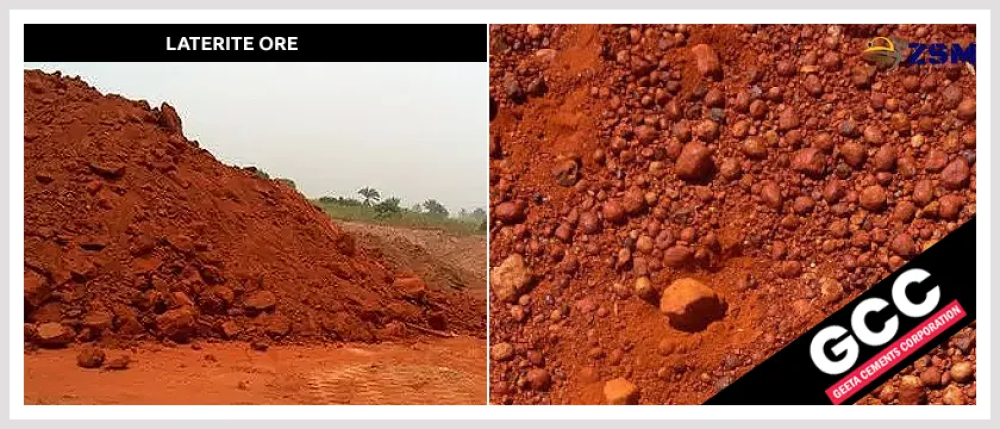
Drive through Birbhum, Bankura or Purulia and you will see red laterite everywhere, cut into blocks for houses or spread on roads. So why would a plant in West Bengal buy laterite from outside the state? That is the question we hear most often from buyers who search for a laterite ore supplier in West Bengal, and the honest answer is that most local laterite is dug for a different purpose than yours. Geeta Cements Corporation, based in Bhilai, supplies industrial-grade laterite ore along with bauxite, limestone and clinker. This guide explains the difference, what an industrial buyer should specify, and how to avoid costly mistakes.
Isn't Laterite Available Locally in Bengal?
Laterite as a rock is widespread in the western districts of the state. But the material dug from local quarries is mostly sold as building stone or road material. Nobody controls its chemistry, because a house wall does not care whether a block carries 25 or 40 percent iron oxide.
An industrial buyer cares a great deal. A cement plant using laterite as an iron and alumina corrective, or any process sensitive to composition, needs material with a known and repeatable analysis. That is why industrial laterite is bought against a specification, from a source that can tell you what the last ten lots contained.
Who Needs Industrial-Grade Laterite in Bengal?
The main user is a cement plant that makes its own clinker and needs to correct iron and alumina in its raw mix. Grinding units that only buy clinker do not need it. Some other industries use iron- and alumina-bearing materials in process mixes, but their requirements differ, so describe your process when you enquire instead of asking for "laterite" in general.
If you are unsure whether laterite suits your process, ask your plant chemist to calculate the raw mix with and without it before you buy.
Specification Table for Industrial Buyers
Set your own limits with your laboratory. These are the items to specify:
|
Parameter |
Why you should specify it |
|
Iron oxide (Fe2O3) |
The main iron contribution to the mix |
|
Alumina (Al2O3) |
The alumina contribution |
|
Silica (SiO2) |
Must be counted in the mix design |
|
Loss on ignition |
Combined water raises kiln heat demand |
|
Moisture |
Wet laterite sticks and blocks equipment |
|
Size range |
Protects the crusher and limits fines |
|
Lot-to-lot variation |
Consistency matters more than one good reading |
|
Impurities such as sulphur or alkalis |
Can affect kiln operation if high |
Local Quarry or Outside Supplier: How to Decide
|
Question |
Local quarry |
Industrial supplier |
|
Is chemistry controlled? |
Usually not |
Should be, per lot |
|
Is analysis reported? |
Rarely |
Ask for it with each lot |
|
Are permits and documents clear for industrial use? |
Check carefully |
Should be provided |
|
Price |
Often lower per tonne |
Higher, but includes quality commitment |
|
Freight |
Short |
Long haul |
Local material can work if you test it yourself, confirm the permit position for its end use, and monitor every lot. If you do not want to build that quality system, buying against a specification is simpler.
Problems Bengal Plants Face With Laterite
Stickiness in the monsoon. Clay-rich laterite turns into paste in the rains, blocking hoppers and chutes. Cover the stockpile and set a moisture limit.
Variation within a deposit. Different benches carry very different iron and alumina. Insist on lot numbers.
Undefined permits. Check what permissions and transit documents apply to the mineral and its end use, and make sure they travel with every load.
Wrong size. Oversize pieces jam crushers, and excess fines are wasted as dust.
About Geeta Cements Corporation
Geeta Cements Corporation is a procurement and supply company headquartered in Bhilai, Chhattisgarh. It sources directly from verified mine and quarry partners, rather than through chains of traders, and supplies industrial buyers in India, Nepal and Bhutan. Its product lines include laterite ore, bauxite ore, limestone, clinker and other industrial minerals for cement, steel, refractory, chemical and construction customers.
As a laterite ore supplier in West Bengal, it supplies from the Chhattisgarh region by rail and road. It supplies raw ore and does not blend or process it, so a plant that wants a ready-mixed corrective will need a processor.
Frequently Asked Questions
Can I use locally quarried laterite instead?
Possibly, if you test every lot, confirm permits for industrial use and accept the chemistry variation. Many plants prefer material bought against a specification.
Which industries use laterite as a corrective?
Mainly cement plants that make clinker. Grinding units do not need it.
What does delivery to Bengal involve?
Rail for steady volumes and road for smaller lots. Ask for a delivered price with transit time.
Does Geeta Cements Corporation serve West Bengal?
Yes. It supplies across India and works as a laterite ore supplier in West Bengal for industrial buyers.
How should I enquire?
Send your iron and alumina limits, size range, monthly quantity and delivery location through the enquiry form.
What to Do Next
If you have been asking whether you really need a trusted laterite ore supplier in West Bengal when red laterite lies all around, run a simple test. Take a sample of your local material and a trial lot of industrial-grade ore, analyse both and compare consistency over several lots. Let the numbers decide.
Contact Geeta Cements Corporation
Address: 97/2, Maitri Nagar, Risali, Bhilai, Chhattisgarh 490006, India Email: geetaminerals63@gmail.com Send an enquiry: https://www.geetacements.com/enquiry.php Website: https://www.geetacements.com/
Related Blogs