Who Is a Reliable Biomass Pellets Supplier in West Bengal
In Bengal's humid climate, the biggest threat to pellet quality is water. This 2026 guide follows a pellet from loading to boiler and shows where reliability is won or lost.
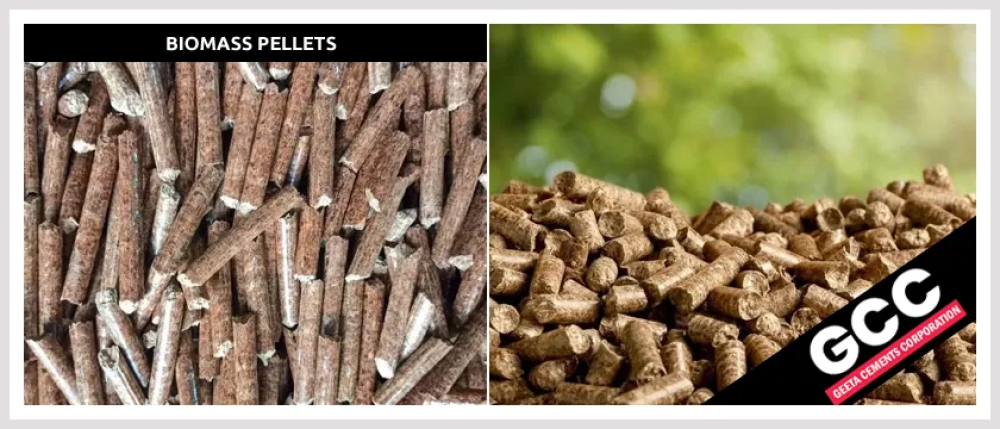
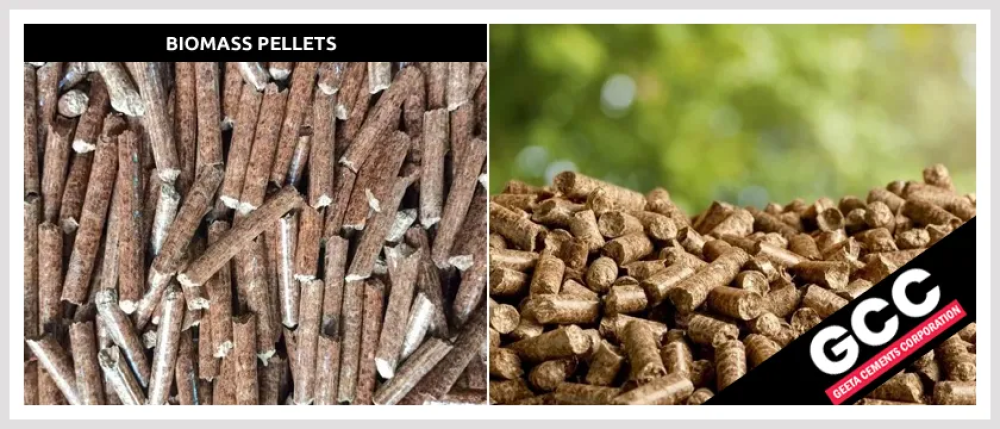
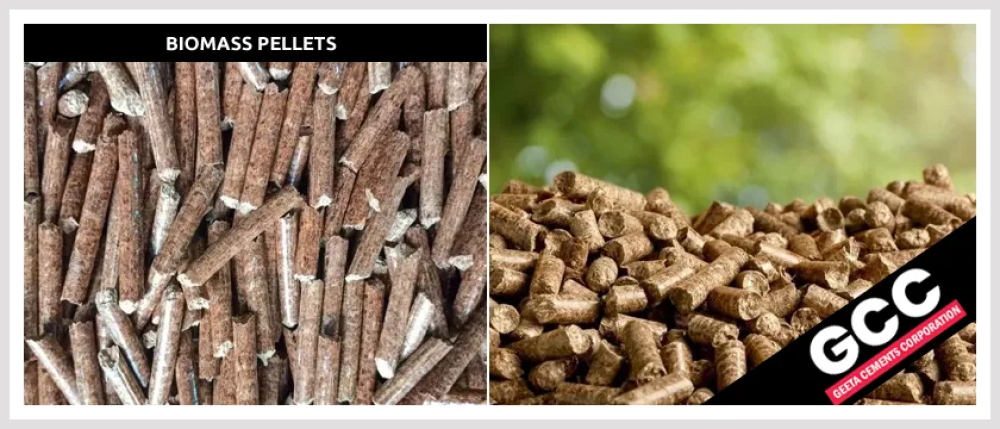
A pellet that leaves the plant at the right moisture can still arrive in Kolkata swollen, crumbling and full of fines. That is the quiet problem behind most complaints about pellet supply in eastern India. If you are looking for a reliable biomass pellets supplier in West Bengal, the question is not only whether the pellet is good at the source, but whether it stays good all the way to your boiler. Geeta Cements Corporation, a Bhilai-based supply company that handles bulk materials for cement, steel and other industries, offers biomass pellets to buyers across India. This guide follows the pellet's journey and explains what to demand at each stage.
Who Buys Pellets in West Bengal and Why?
Demand comes from several kinds of users: jute and textile mills with steam boilers, tea processing units in North Bengal that need heat for drying, rice mills with their own boilers, food and dairy plants, dyeing and finishing units, brick kilns and coal-based power plants that are expected to co-fire biomass under a national policy. Each uses a different furnace or boiler design, so the right pellet differs. Rice husk, jute stick, mustard stalk and wood residue are all common feedstocks in the region.
Pellet buyers here also have a practical reason to look beyond the cheapest quote. A boiler that runs on inconsistent fuel needs more attention, more cleaning and more downtime, and those costs rarely appear on the invoice.
Follow the Pellet: Five Points Where Quality Is Lost
1. At loading. Pellets should be loaded dry, in clean covered vehicles. Ask the supplier to confirm moisture and fines at dispatch, not just at production.
2. In transit. Rain on an uncovered truck is enough to damage a load. Specify covered transport, especially between June and September.
3. At unloading. Heavy handling and long drops create fines. Agree on how and where the vehicle unloads, and weigh on an agreed weighbridge.
4. In storage. Bengal's humidity makes damp storage the most common cause of crumbling. Keep pellets in a roofed, raised store, away from walls that sweat.
5. At the feeder. Fines block feeders and dust the boiler house. Sieve if needed and track the fines percentage in each delivered lot.
A reliable biomass pellets supplier in West Bengal talks about all five stages, not only the specification sheet.
Technical Specification Table
Typical practice is given as a starting point. Confirm limits with your boiler or furnace supplier.
|
Parameter |
Typical practice |
Reason |
|
Gross calorific value |
Roughly 3,200 to 4,200 kcal/kg depending on feedstock |
Determines the real cost of heat |
|
Moisture |
Around 10 to 12 percent or lower, as delivered |
Water wastes heat and swells pellets |
|
Ash |
Varies strongly with feedstock |
Affects cleaning and disposal |
|
Diameter |
Commonly 6 to 12 mm |
Must match the feeder |
|
Fines |
Low, measured in the delivered lot |
Fines block feeders |
|
Durability |
High |
Pellets must survive transport |
|
Feedstock |
Named |
Decides ash and deposit behaviour |
Pellets Versus Coal: A Fair Comparison
Pellets usually carry less sulphur and burn cleaner, and they can reduce the share of coal in a mix. They also hold less energy per kilogram than good coal and need drier storage. Compare them on cost per 1,000 kcal, which you get by dividing price per tonne by calorific value in kcal/kg, and add freight, handling and ash disposal.
If your boiler was designed for coal, ask the manufacturer what share of pellets it can accept, and test a small proportion first.
What Should Your Supply Terms Say?
- A specification with tolerance for calorific value, moisture and ash.
- Covered transport during the monsoon months.
- Sampling at loading and at your gate, with a named laboratory.
- Delivered price with freight shown.
- Delivery windows and a remedy for delays.
- Documents with every vehicle, including tax invoice and e-way bill.
About Geeta Cements Corporation
Geeta Cements Corporation is headquartered in Bhilai, Chhattisgarh, and works as an industrial procurement and supply company. It buys from verified sources, manages bulk dispatch and supplies buyers across India, Nepal and Bhutan, with product lines spanning clinker, limestone, bauxite, laterite and other industrial raw materials. Its customers include cement, steel, refractory, chemical and construction businesses, which gives it practical experience in documentation and bulk logistics.
As a biomass pellets supplier in West Bengal, it supplies from the Chhattisgarh region by road or rail. Pellet producers located closer to your plant may offer lower freight for small volumes, so compare delivered prices. Geeta Cements Corporation suits buyers who want planned bulk quantities and one point of contact, and who will state their feedstock and boiler requirements in the enquiry.
Frequently Asked Questions
How should I store pellets in humid weather?
Use a roofed, raised, ventilated store, keep them off the floor and away from damp walls, and use older stock first.
Which feedstock is best?
No single feedstock suits everyone. Wood pellets burn with low ash, while rice husk and straw give higher ash. Match the feedstock to your boiler.
Can pellets replace coal completely?
Often only partly in boilers designed for coal. Ask your equipment supplier and trial a small share.
Does Geeta Cements Corporation deliver pellets to Bengal?
Yes. Buyers looking for a biomass pellets supplier in West Bengal can send their feedstock, quantity and location through the enquiry form.
What should I include in an enquiry?
Your boiler type, required calorific value, monthly quantity and delivery location.
Choosing With Confidence
The most reliable biomass pellets supplier in West Bengal will be the one that explains how pellets are protected from the moment of loading to the moment of firing, quotes a delivered price and agrees to a trial lot. Test the first delivery for moisture and fines, keep records and expand only when the results hold.
Contact Geeta Cements Corporation
Address: 97/2, Maitri Nagar, Risali, Bhilai, Chhattisgarh 490006, India Email: geetaminerals63@gmail.com Send an enquiry: https://www.geetacements.com/enquiry.php Website: https://www.geetacements.com/
Related Blogs