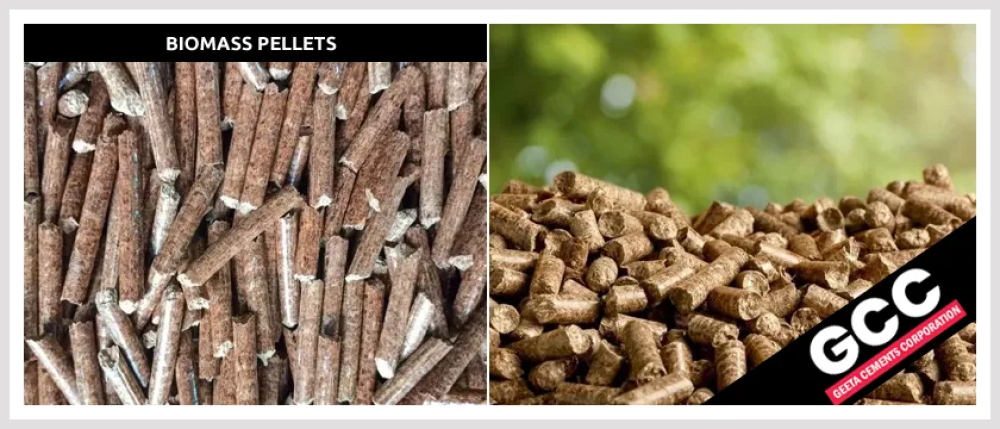
Who Is the Best Biomass Pellets Supplier in Chhattisgarh
A 2026 buyer's guide that teaches you to read a pellet test report, so you can judge any supplier by numbers and not by sales talk.
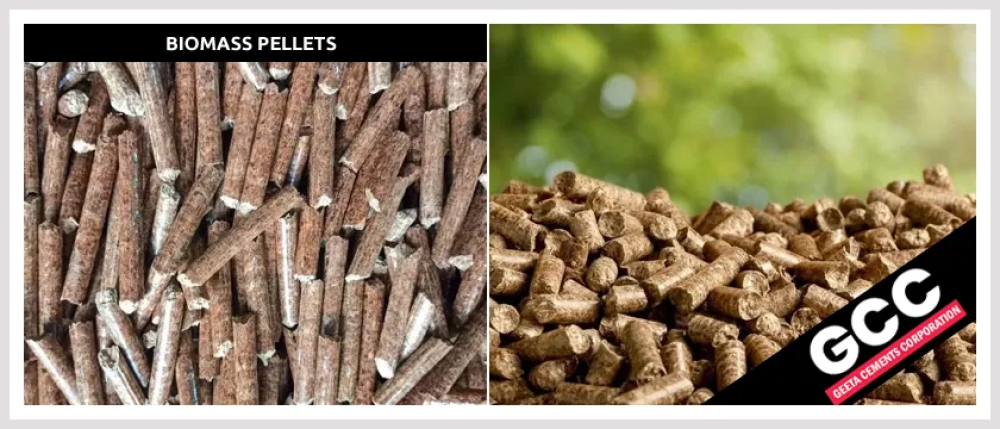
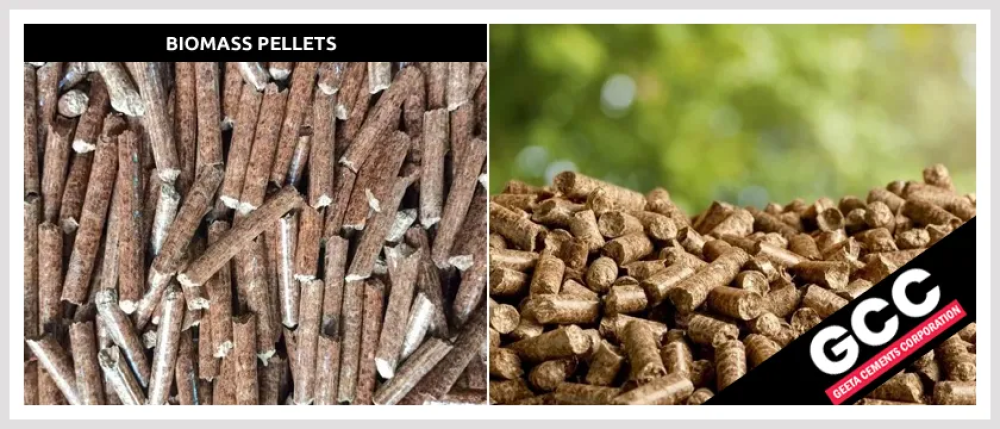
Ask five sellers for biomass pellets and you will hear five versions of "best quality." Then the first truck arrives with pellets that crumble, burn with heavy ash, or carry more water than the invoice admits. If you are searching for the best biomass pellets supplier in Chhattisgarh, the smartest move is to learn what the test report should say and ask every supplier to meet it. Geeta Cements Corporation, a Bhilai-based supply company, offers biomass pellets alongside industrial minerals such as clinker and limestone. This guide explains the numbers that matter, how feedstock changes boiler behaviour, and how to compare offers fairly.
Why Do Chhattisgarh Buyers Look for Pellets Now?
Chhattisgarh is a major paddy-growing state, so rice husk and paddy straw are plentiful, and the industrial belt around Raipur, Bhilai, Raigarh and Korba creates steady demand for boiler and furnace fuel. Sponge iron and steel units, captive power plants, rice mills, process boilers and brick kilns are the typical users.
Policy adds pressure. India's Ministry of Power has notified a policy under which coal-based thermal power plants are required to co-fire biomass pellets, with a 5 per cent share as the baseline for 2025-26. Power plants and industries that want a dependable biomass pellets supplier in Chhattisgarh are therefore competing for the same pellet capacity, and quality differences show up quickly.
Technical Specification Sheet: What Your Order Should State
Pellet quality varies with feedstock and process. Treat the ranges as typical starting points and confirm them against your boiler manufacturer's limits.
|
Parameter |
What it tells you |
What to ask for |
|
Gross calorific value (kcal/kg) |
Heat content per kilogram |
A stated minimum, on a stated basis |
|
Moisture |
Water that wastes heat and freight |
Commonly kept near or below 10 to 12 percent |
|
Ash content |
Residue that fouls grates and needs disposal |
A stated maximum, which differs by feedstock |
|
Diameter and length |
Feeder and burner compatibility |
Common diameters are 6 to 12 mm |
|
Durability and fines |
How well pellets survive transport and handling |
High durability, low fines in the delivered lot |
|
Bulk density |
Truck loading and storage volume |
A stated minimum |
|
Feedstock |
Decides ash behaviour and slagging |
Named, not "agro waste" |
Always ask whether numbers are "as received" or "dry basis." A pellet that looks excellent on a dry basis can be much weaker as delivered.
How Does Feedstock Change What Happens in Your Boiler?
Rice husk pellets carry a high ash content, largely silica, so expect more ash handling. Paddy straw pellets can bring alkali and chlorine along with ash, which raises the risk of slagging and deposits in some boilers. Wood-based pellets such as sawdust usually burn with very low ash. Pellets from groundnut shell, mustard stalk and similar residues sit in between and vary widely.
None of these is bad. Each suits a different boiler design. The mistake is buying without telling the supplier what kind of boiler or furnace you run, and without asking how the feedstock behaves in it.
Compare Offers on Cost per 1,000 kcal
Price per tonne alone is misleading, because pellets with different heat content are not the same product. Use a simple formula:
Cost per 1,000 kcal = price per tonne divided by calorific value in kcal/kg.
For illustration only, a pellet priced at 8,000 rupees per tonne with 4,000 kcal/kg works out to 2 rupees per 1,000 kcal. A cheaper pellet with lower heat content or higher moisture can cost more per unit of heat. Add freight, handling and ash disposal to get the true delivered cost.
Five Mistakes Chhattisgarh Buyers Make
- Buying on price per tonne without checking calorific value.
- Accepting a single test report for a whole contract instead of one per lot.
- Ignoring moisture, then paying freight on water.
- Storing pellets uncovered through the rains, which makes them swell and crumble.
- Not testing the first lot in the actual boiler before committing to volume.
About Geeta Cements Corporation
Geeta Cements Corporation is headquartered in Bhilai, in the middle of Chhattisgarh's industrial belt. It operates as an industrial procurement and supply company, buying from verified sources and managing bulk dispatch to buyers across India, Nepal and Bhutan. Its experience with cement, steel, refractory and construction customers is in bulk raw material supply, which shares many handling and documentation needs with pellets.
As a biomass pellets supplier in Chhattisgarh, its advantage is proximity to local industrial buyers. Its limit is that pellet specifications vary by batch and feedstock, so you should verify each lot, as with any supplier. Please state your boiler type and fuel requirements when you enquire.
Frequently Asked Questions
What is a good calorific value for biomass pellets?
It depends on feedstock and moisture. Many industrial pellets fall roughly between 3,200 and 4,200 kcal/kg, so ask for the stated figure and its basis.
How much moisture is acceptable?
Lower is better. Many buyers specify around 10 to 12 percent or below, subject to your equipment.
Are pellets better than coal?
They burn cleaner and carry lower sulphur, but they have lower heat content and need dry storage. The better choice depends on your cost per 1,000 kcal and your equipment.
Does Geeta Cements Corporation supply biomass pellets in Chhattisgarh?
Yes. Buyers looking for a biomass pellets supplier in Chhattisgarh can send their specification through the enquiry form.
Can I order a trial quantity?
Ask for one. Test it in your own boiler before placing a larger order.
Final Word
The best biomass pellets supplier in Chhattisgarh for you is the one whose test report matches your boiler's needs, lot after lot, and whose delivered cost per 1,000 kcal holds up against alternatives. Insist on numbers, test a trial lot and keep records.
Contact Geeta Cements Corporation
Address: 97/2, Maitri Nagar, Risali, Bhilai, Chhattisgarh 490006, India Email: geetaminerals63@gmail.com Send an enquiry: https://www.geetacements.com/enquiry.php Website: https://www.geetacements.com/
Related Blogs